
How to Keep Corporate Team Headshots Consistent
Planning team headshots? Complete guide to creating consistent, professional employee photos that strengthen brand identity.
Your company’s “About Us” page tells two very different stories. Half your team has polished, professional headshots against clean backgrounds. The other half? A mix of cropped vacation photos, grainy selfies, and that one person who still has their headshot from 2015 (back when they had a very different hairstyle)…
It looks unprofessional. More importantly, it makes your business look disorganized—like nobody’s really in charge of the details.
The fix isn’t complicated, but it does require some upfront planning. Here’s how to get your team headshots consistent (and keep them that way).
Why Team Headshot Consistency Actually Matters
Inconsistent headshots make your business look disorganized. When someone visits your website, mismatched photos—different backgrounds, lighting, and cropping doesn’t send the right message to your clients.
First impressions happen fast. You’ve probably noticed this yourself when researching other companies.
Consistent headshots signal your organization has its act together. It’s a small detail that reinforces your brand. Plus, your marketing and HR teams can use the photos across presentations, proposals, and social media without worrying whether they’ll clash.
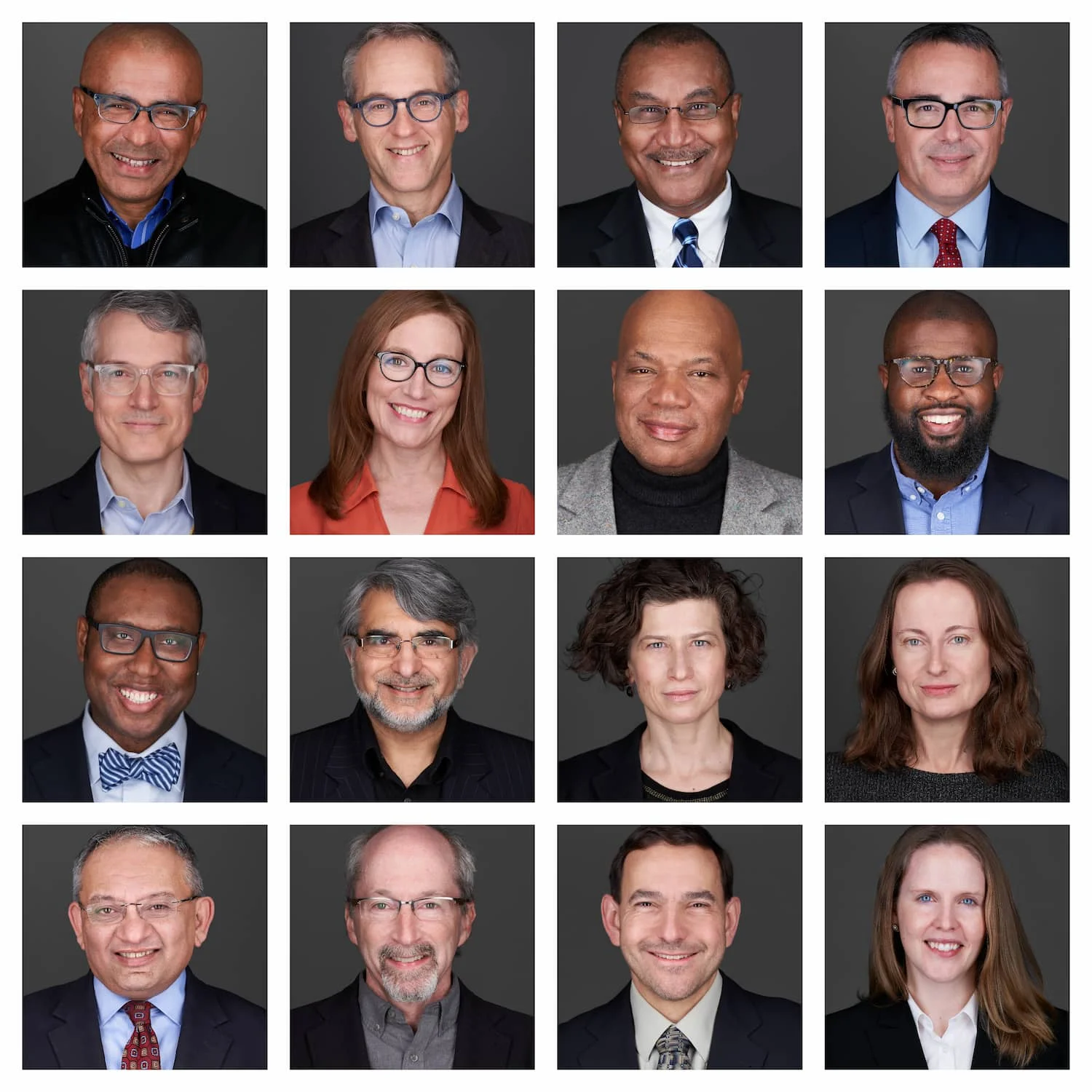
What Elements to Standardize
You don’t need to make everyone look identical (that would be weird). But you do need consistency in a few key areas.
Background: This is the big one. Everyone should have the same background color or style—typically a solid neutral (white, gray, or a subtle company color). Some companies prefer an environmental background (like a clean office setting), which can work but it can also make things more dificult to match later on.
Mixed backgrounds look messy. Don’t do it.
Framing and cropping: Decide whether you want tight headshots (shoulders and up) or something looser that includes more torso. Then stick with it for everyone. Mixing tight crops with wider shots creates visual chaos (especially on a grid-style team page).
Lighting style: Professional photographers will handle this, but it’s worth understanding. The lighting should have the same quality and direction for each person. Mixing dramatic side lighting with flat, even lighting makes people look like they were photographed in different decades.
Color treatment: Decide if you want color photos or black-and-white. Both work, but pick one. (Some companies use black-and-white for a cohesive, classic look that naturally hides minor inconsistencies—worth considering if you’re working with a mixed bag of existing photos.) You can even get fancy with it and have it be black and white and upon hover it turns to color.
Wardrobe guidelines: You probably can’t mandate exact outfits (nor should you), but you can provide guidelines. Solid colors typically work better than busy patterns. Business casual usually reads as more approachable than full suits (though this depends on your industry). Give people enough direction that nobody shows up in a Hawaiian shirt while everyone else wore blazers. For detailed wardrobe advice, see my article on what to wear for headshots and common wardrobe mistakes.
Planning Your Team Headshot Session
The logistics matter more than you’d think. Poor planning is why most companies end up with inconsistent photos.
Allow enough time per person: Rush jobs look like rush jobs. Budget at least 10-15 minutes per person. Better to schedule conservatively and finish early than to run late and stress everyone out.
Communicate the plan clearly: Send your team the wardrobe guidelines, the schedule, and what to expect. Include practical details like where they should go and whether they need to bring anything. The more prepared people are, the more relaxed they’ll look (which matters more than most people realize).
Designate someone to manage the day: If you are getting all of the photos done on the same day, you need a point person to keep things on schedule, answer questions, and handle the inevitable small crises (forgotten blazers, makeup emergencies, technology glitches).
Solving Common Team Headshot Challenges
Even with good planning, you’ll hit some predictable obstacles.
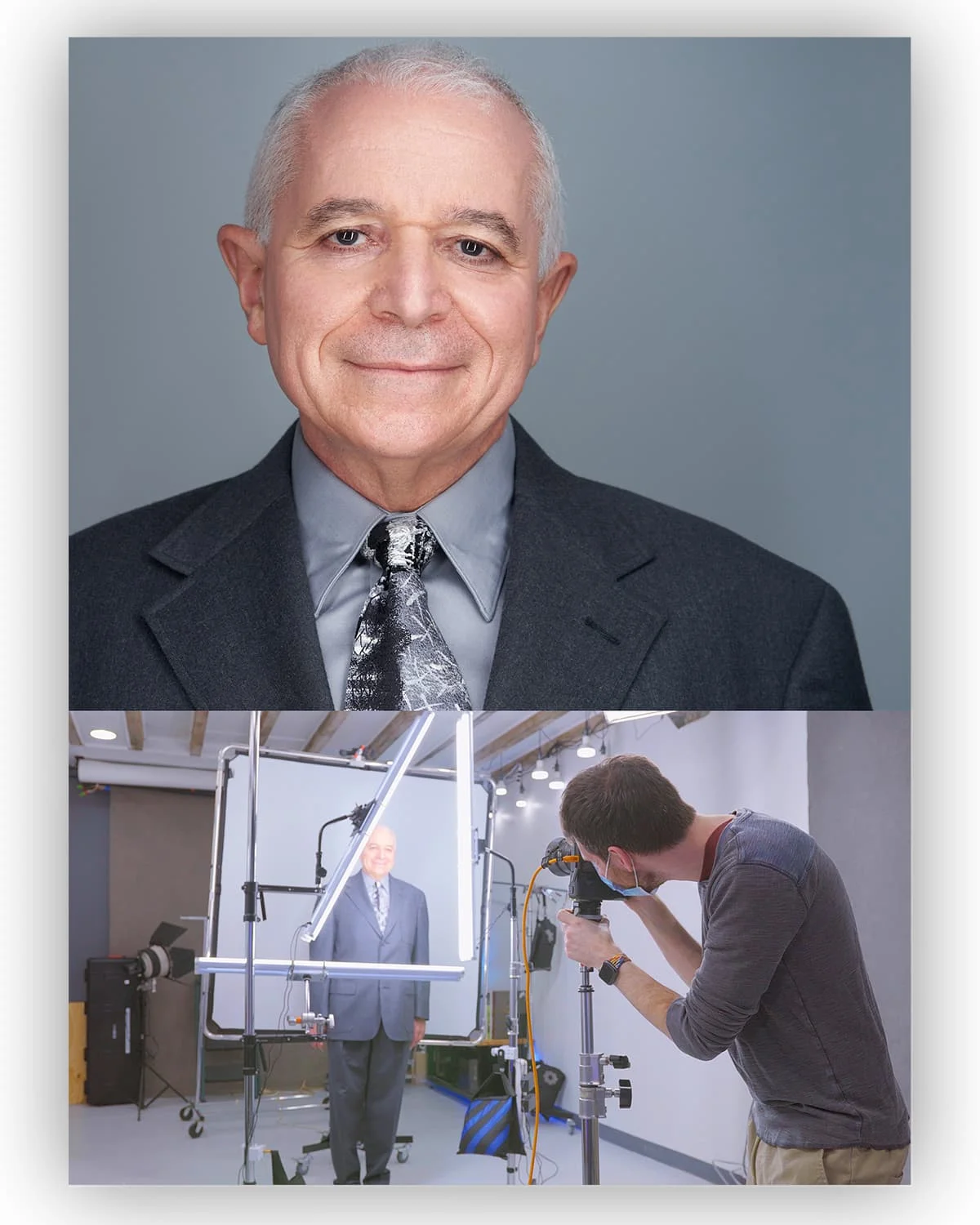
Remote employees: If you have team members in other locations, you have three options. One, fly them in for the session (expensive but guarantees consistency). Two, hire a photographer in their area and provide detailed specifications about background, lighting, and framing (results vary depending on how precisely they follow instructions). Three, use the same photographer who can travel to multiple locations (obviously only practical for certain geographic situations). Most of the time companies I work with opt for the second option. I know photographers all over the world who I trust to match my work. Many times throughout the year I am hired to match another photographers work to keep things consistent.
There’s no perfect solution thought. Pick the one that fits your budget and accept that remote shots might require extra coordination.
New hires: Establish a system for getting new employees photographed within their first month (preferably their first week). The longer you wait, the longer your team page stays inconsistent. Many photographers who handle corporate work will offer reduced rates for periodic individual sessions if you’re already a client for team shoots.
People who hate being photographed: Some people will be anxious (or outright resistant). A good photographer can help nervous subjects relax, but you can also set expectations: this is a quick, professional process, not a modeling session. Frame it as a normal part of onboarding or company updates, not as optional. Share my guide on overcoming camera anxiety with your team ahead of time.
Sometimes it helps to go first (if you’re the manager organizing this). Show them it’s painless.
Budget constraints: Team headshots cost money, no way around it. But they’re typically more affordable than people expect. If budget is tight, prioritize the people who are client-facing or prominently featured on your website. You can photograph the full team in phases as budget allows. The worst thing you can do though is hire the wrong photographer. I think it makes sense to get less people photographers (client facing) but get them done right.
Keeping Team Headshots Current
Getting consistent headshots once is good. Keeping them consistent over time is better.
Set a refresh schedule: The good thing about having a relationship with the photographer you originally used for the group is that they can provide updated photos for people who need them. If anyone changes their look or its been a few years since their last photo, they should get an updated one for the site!
Gray hair happens. Weight changes happen. Fashion evolves. Update accordingly.
Document your standards: Write down your background choice, framing style, wardrobe guidelines, and anything else specific to your setup. This ensures that when you refresh photos in a few years (or when you bring on a new photographer), you can recreate the same look.
What to Look for in a Team Headshot Photographer
Not every photographer who shoots headshots is good at team sessions. The skills overlap, but team work requires additional planning and consistency.
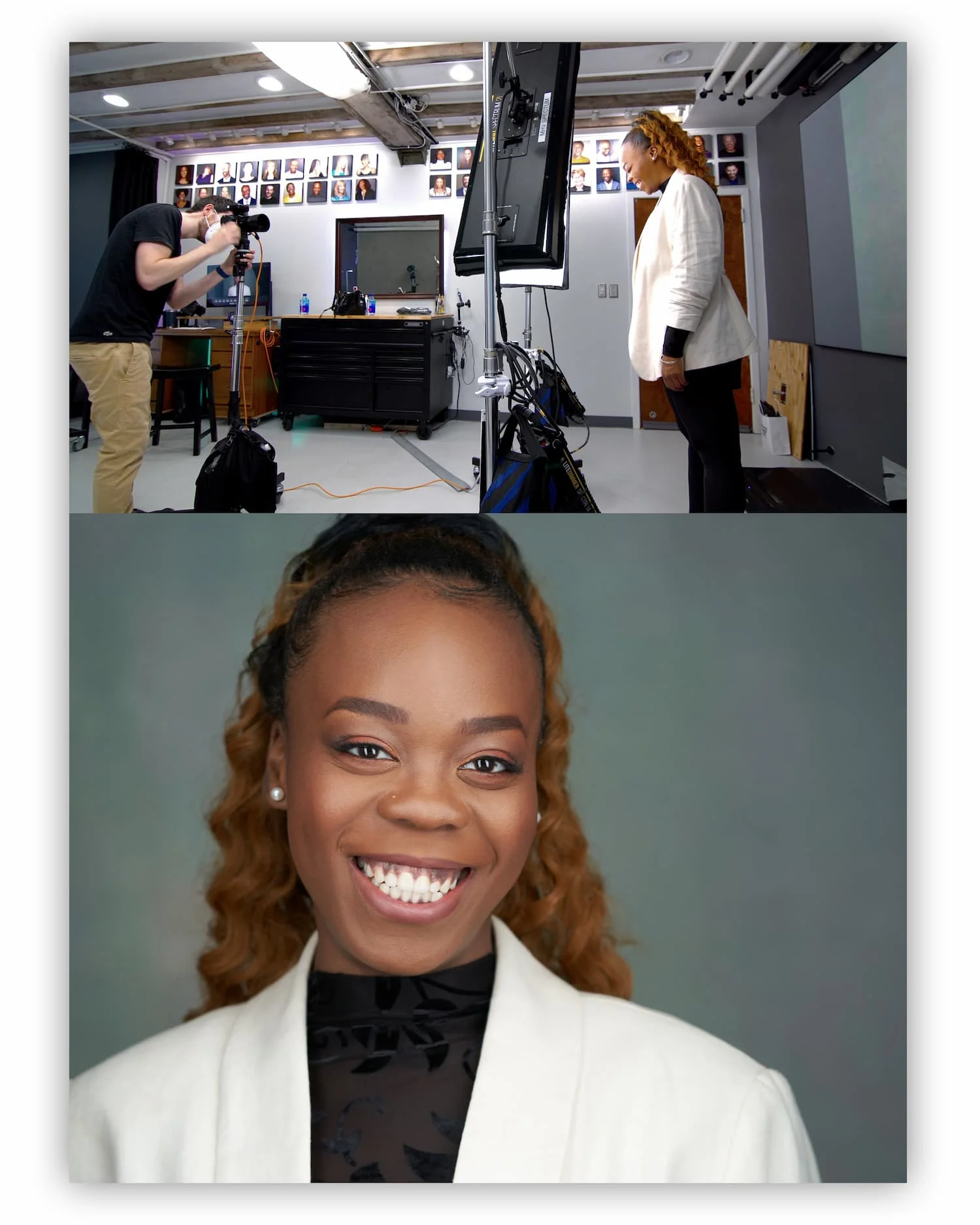
Look for corporate experience: A photographer who regularly shoots team headshots will have systems in place for managing logistics, keeping sessions on schedule, and maintaining consistency across dozens (or hundreds) of people. They’ll also typically offer guidance on wardrobe and the setup. You shouldn’t have to figure everything out yourself.
Confirm turnaround time and deliverables: How quickly will you get the photos? What format will they be delivered in? Will they be edited and color-corrected? What happens if you need retouching (removing a stray hair or blemish)? Clear expectations prevent frustrating surprises.
Consider personality and communication: Your team will be working with this person. Are they easy to communicate with? Do they put people at ease? Are they flexible when inevitable scheduling issues arise? Technical skill matters, but so does basic professionalism and likeability.
The Bottom Line
Consistent team headshots aren’t complicated, but they do require intentional planning. Choose your standards (background, framing, lighting), schedule a 1 on 1 shoot with a photographer to test it out, communicate clearly with your team, and build a system for keeping photos current.
The payoff is a more polished, professional brand presence—and one less thing for potential clients to question when they’re evaluating whether to work with you.
If you’re in the Philadelphia area and want to discuss team headshot options for your business, reach out. I handle everything from small startups to larger corporate team headshot sessions, with a focus on making the process smooth for both you and your employees.
Ready to get your team headshots consistent? Let’s make it happen.
Ready to Get Started?
Have questions? Let's discuss your needs and create perfect professional images.