Beyond the Headshot: Building a Media Kit That Works for You
Not every executive needs a full media kit. Here's how to think about what visual assets might actually serve your goals, and what you can skip.
For most professionals, a solid headshot covers the bases. LinkedIn, the company website, maybe a conference speaker page, one good photo handles it all.
But depending on what you’re building, you might hit a point where that single image starts feeling limiting.
When One Photo Might Not Be Enough
This isn’t about convincing you that you need more photos. It’s about recognizing when your current situation has outgrown what you have.
If you’re pitching to investors, they might want to feature you in materials that go beyond a standard bio page. Speaking at conferences often means dealing with different stage setups, promotional materials, and interview requests, sometimes all for the same event.
Media appearances create their own demands. Podcasts want images for their show notes. Publications need options that fit their editorial style. And if you’re doing any kind of video content, you might want consistency between your static images and your on-camera presence.
None of this means you need to rush out and build an extensive photo library. But if you’re finding yourself apologizing for only having “that one LinkedIn photo” or passing on opportunities because you don’t have the right visual assets, it might be worth thinking about. Just think about having the ability to just have a photo for every scenario and not have to think about it. That’s what we are going to discuss here.
Types of Photos Some Executives Find Useful
I want to be careful not to create a checklist here. What makes sense for you depends entirely on what you’re actually doing, and what you’re planning to do. So think over how these ideas might pertain to you.
Technical Things Worth Considering
If you do decide to expand what you have, a few practical considerations can save headaches later.
Resolution matters more than you’d think. That photo that looks fine on your website might fall apart when a publication wants to run it in print or a conference needs it for a large banner. Having high-resolution files gives you flexibility. At least save them for a rainy day.
small thumbnails
text overlay designs
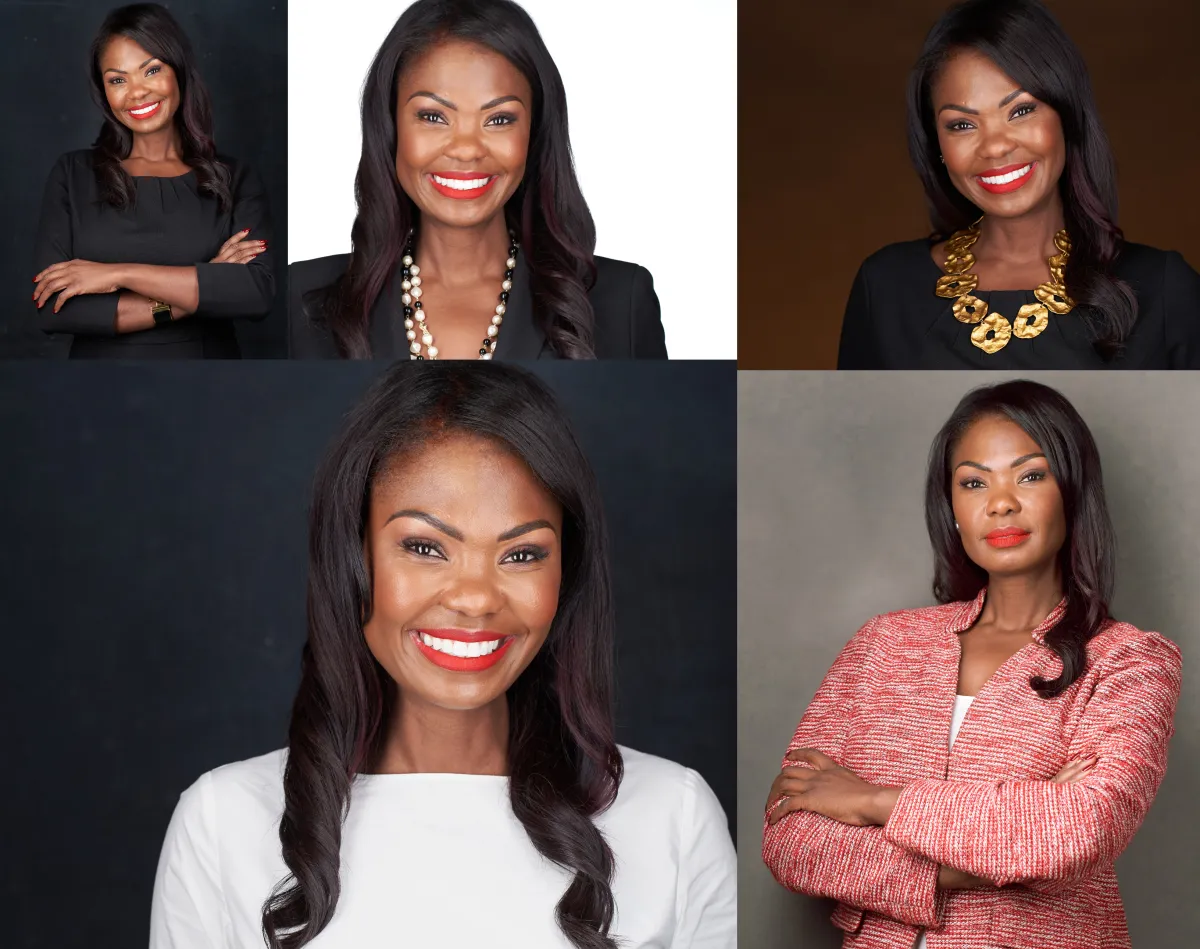
Variety in framing helps. A tight headshot works for a small bio box. A wider shot with some negative space works for designs where text needs to be overlaid. Having both means you’re not forcing designers to crop awkwardly. Sometimes your photographer will give you multiple crops to choose from/use.
Consistency across images. If you’re going to have multiple photos in circulation, idealy they feel like they belong together. Similar lighting, color treatment, and general aesthetic help everything look intentional rather than cobbled together over time.
File formats and organization. This is boring but practical. Knowing where your images are, having them properly named, and keeping both web-ready and print-ready versions saves time when requests come in on short notice. PLEASE save your images to your computer and back them up in at least a few places. This is huge. Take this as a reminder to back your images up. I get emails from clients every month needing a new download link for their images because they lost them.
Figuring Out What You Actually Need
Most executives don’t need an extensive media kit. A strong headshot with a few variations handles probably 90% of what comes up.
The question is whether you’re in that 90% or not.
A few things worth asking yourself:
Are you regularly being asked for photos and finding your current options limiting? Or does what you have work fine for what you’re doing?
Are there opportunities you’re pursuing ie. speaking, media, fundraising, where better visual assets would actually help? Or would building out a media kit be more about “should” than actual need?
Do you have a clear sense of how you want to present yourself across different contexts? Or are you still figuring that out?
There’s no wrong answer to any of these. Some executives find that investing in a range of visual assets pays off immediately. Others find that a single great headshot serves them well for years.
The goal isn’t to have the most photos. It’s to have the right ones for what you’re actually doing and have everything covered.
A Practical Approach
If you’re thinking about expanding beyond a standard headshot, my suggestion is to start with what’s immediately useful rather than trying to build a full library all at once.
What’s the next opportunity on your calendar that might benefit from better visual assets? Start there.
If you’re speaking somewhere in the next few months, think about what you’d want to give the organizers. If you’re in the middle of a fundraising process, consider what would serve that specific context.
Building a media kit doesn’t have to be a big, expensive project tackled all at once. For a lot of people, it makes more sense to build incrementally, adding assets as actual needs emerge.
And if you’re reading this and realizing that your single headshot is actually working fine? That’s completely valid too. Not everything needs to be optimized. It is good to think it all over at least.
Ready to Get Started?
Have questions? Let's discuss your needs and create perfect professional images.
You Might Also Like
Headshots vs Branding Photography: What's the Difference?
Confused about headshots vs branding photography? When you need each, the key differences, and how to get both done efficiently.
How to Keep Corporate Team Headshots Consistent
Planning team headshots? Complete guide to creating consistent, professional employee photos that strengthen brand identity.
Headshot Red Flags: Profile Photo Mistakes That Hurt Your Professional Image
Discover the profile photo mistakes that make professionals look unprofessional. Learn what red flags clients, partners, and connections actually notice.