
Body Language Tips for Natural, Confident Headshots
Nervous about looking stiff? Proven body language techniques for natural, confident professional photos that don't feel forced.
Ever notice how some people just seem comfortable in photos while others look like they’re being held hostage? It’s not about being photogenic—it’s about knowing what to do with your body and your face.
I’ve photographed hundreds of professionals in Philadelphia, and I can tell you that about 90% of them walk in with the same fear: “I have no idea what to do with my hands.” The other 10% are lying. We’re all a little awkward in front of a camera, and that’s completely normal.
The good news? Body language in headshots isn’t about striking some perfect pose. It’s about understanding a few simple principles that help you look like yourself—just the confident, professional version.
Understanding Body Language in Professional Photos
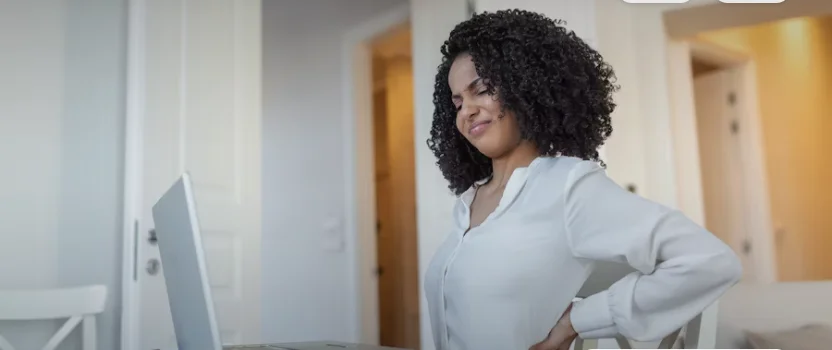
Here’s something most people don’t realize: your body language in a headshot communicates just as much as your facial expression. Maybe more.
When someone views your headshot on LinkedIn or your company website, they’re making instant judgments about your confidence, approachability, and professionalism. A tense shoulder here, an uncertain hand position (if shooting wide enough to see them) there—these small details add up to an impression.
But here’s the thing: natural body language isn’t about memorizing poses. It’s about understanding what your body does when you’re actually confident, and then recreating that feeling in front of the camera. Think of it like this—when you’re talking to a colleague about a project you’re excited about, you’re not thinking about your posture. You’re just engaged. That’s the feeling we’re trying to capture.
The Foundation: Posture That Projects Confidence
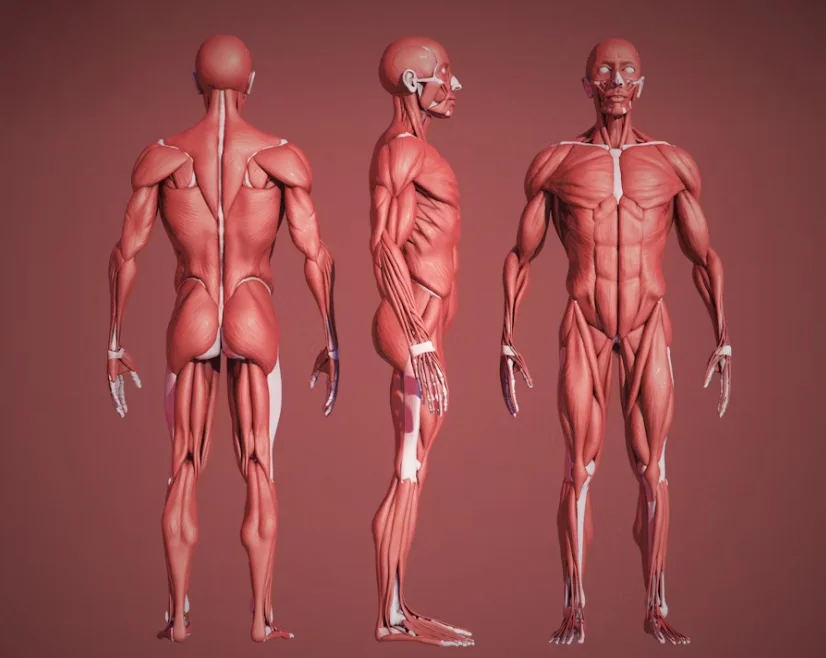
Let’s start with the basics: your posture. And no, I don’t mean that rigid “stand up straight” posture your parents nagged you about.
Good posture in a headshot is about length and openness. Imagine there’s a string gently pulling the crown of your head toward the ceiling. Your spine lengthens, your chest opens slightly, and suddenly you look like someone who has their act together.
The key word here is “gently.” Stiff, military-style posture reads as uncomfortable or overly formal. You want to look professional, not like you’re about to salute. Think about how you hold yourself when you’re having a good conversation with someone you respect—that’s the sweet spot.
One practical tip I give everyone: roll your shoulders back and down before the shot. Not dramatically, just enough to open up your chest and get your shoulders away from your ears. Most of us carry tension in our shoulders (especially if you work at a desk all day), and the camera picks up on that tension immediately.
Angles and Positioning: Flattering AND Meaningful
Here is something that I think is really important. Turning too much one way or the other rarely works. And you tend to lose part of the face in the photo at a certain point.
When your body is turned slightly (we’re talking maybe 30 degrees) toward the camera, it can create depth in the image. You look three-dimensional instead of flat. It also naturally creates a more dynamic, engaging composition.
In my studio, I usually experiment to have clients angle their body toward one side while keeping their face forward. It’s a subtle shift, but it can make a huge difference. You look confident without looking confrontational, which is exactly what you want in a professional headshot.
One note about chin positioning: bring your chin slightly forward and down. I know this feels weird—most people tell me “this can’t possibly look good”—but it prevents that unflattering angle that comes from tilting your head back. Trust your photographer on this one. It works. No one wants a double chin in their headshot.
What to Do With Your Hands (Seriously)
Okay, let’s address the elephant in the room: what on earth do you do with your hands?
First, take a breath. Your hands are not your enemy and most of the time are not in a headshot. The problem is that when we’re nervous, we become hyper-aware of our hands, which makes us do weird things with them. The goal is to find a natural position and then forget about them.
For traditional headshots (shoulders up), your hands usually aren’t in the frame, which solves the problem entirely. But if we’re doing a wider shot, or if you want your hands visible, here are some options that actually work:
Arms crossed: This can work, but it has to be done right. Cross your arms loosely, not tightly. Your hands should rest gently on your arms, not grip them. This pose reads as confident and thoughtful, but if you do it too tightly, it looks defensive. Also keep an eye on how it impacts your clothing as it can bunch it up too much.
One hand in pocket: Casual but professional. Works great for creative professionals or anyone in a less traditional industry.
Hands clasped in front: This works well for more formal headshots. Let your hands rest naturally together—not wringing, not stiff, just resting. Think of how you’d hold your hands if you were standing and having a professional conversation.
At your sides: Totally fine, and often the simplest solution. Let your arms hang naturally with a slight bend at the elbow. Don’t force them straight down like a soldier as that can begin to feel too stiff.
The universal rule: whatever you do with your hands, keep them relaxed. Tension in your hands reads on camera, and it spreads tension through your whole body.
Facial Expressions: Authentic Confidence Starts Here
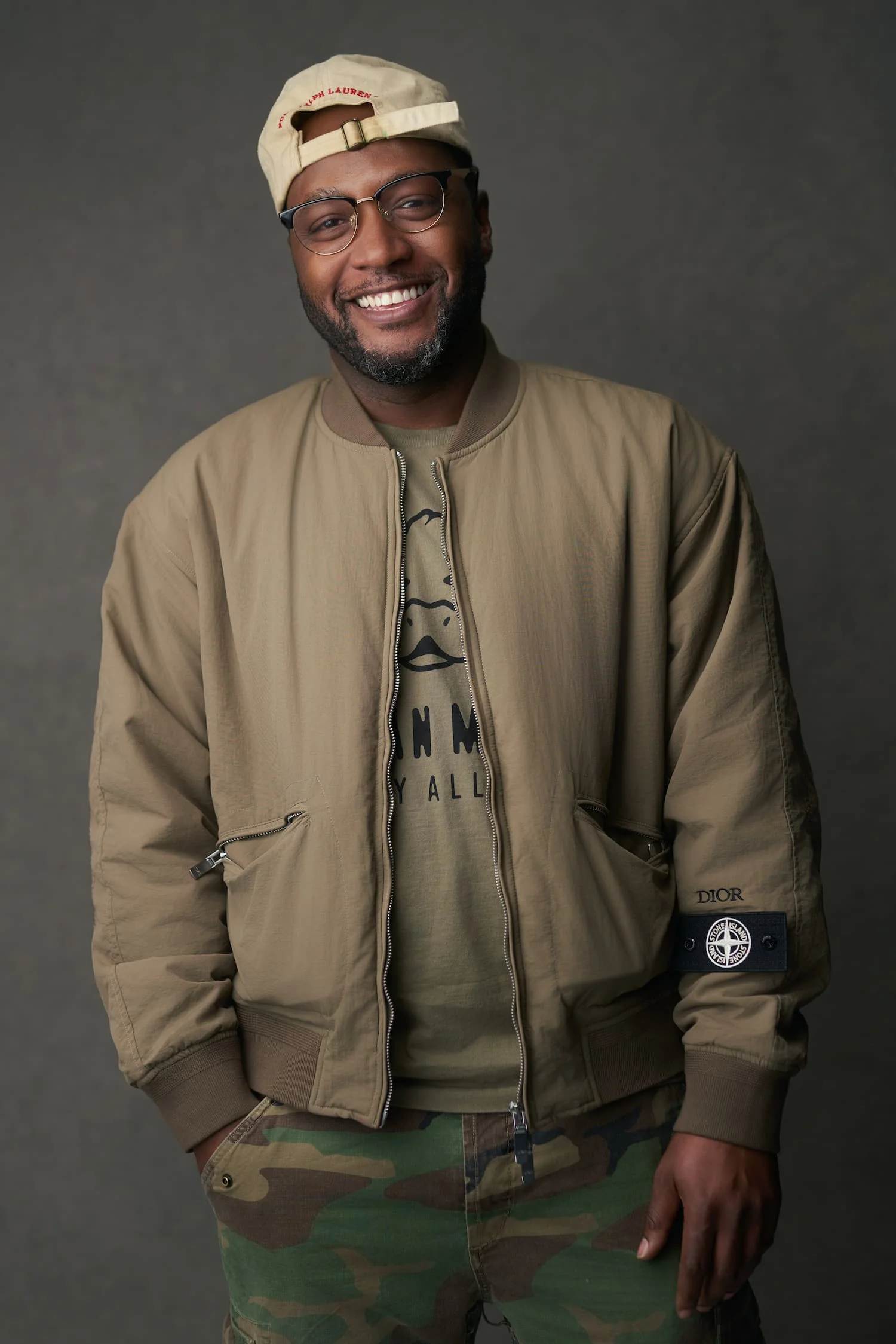
Let’s talk about your face—specifically, that smile everyone struggles with.
There’s a phenomenon I see all the time: the “photo smile.” You know the one. It’s the smile you make when someone says “smile!” and you respond with an expression that looks nothing like your actual smile. It’s tight, forced, and your eyes aren’t involved at all.
A genuine smile engages your whole face, especially your eyes. The technical term is a “Duchenne smile”—one where the muscles around your eyes contract slightly, creating those little crinkles at the corners. That’s what makes a smile look real.
So how do you create a genuine smile on command? Think of something specific that makes you happy. Not “happiness” in the abstract—something concrete. Your dog doing something ridiculous. Your kid’s laugh. That moment your project finally worked after three hours of troubleshooting. Whatever it is, think about it right before the photo, and your smile will look authentic because it is authentic. Ideally, your photographer is working with you to get a genuine smile and it isn’t all on you to get it right.
For professionals who need to project more serious confidence (lawyers, executives, anyone in a conservative industry), a slight smile or even a neutral-but-warm expression can work better than a full smile. The key is keeping your face relaxed. A tense jaw reads as stress or anger. Think “pleasantly neutral” rather than “serious.” Or even something that I tend to go for with my clients is “you are the coolest person in the room.”
And here’s something nobody tells you: you can smile with your eyes without smiling with your mouth. It’s subtle, but it’s the difference between looking cold and looking approachable. Think about making your eyes warm and engaged, like you’re genuinely interested in a conversation.
Overcoming Camera Anxiety: Practical Techniques
Let’s be honest: most people feel awkward in front of a camera. You’re hyper-aware of your body, you’re wondering if you look okay, and you’re trying to act natural while feeling completely unnatural. It’s uncomfortable.
The first step is acknowledging that this is normal. You’re not bad at photos—you’re just experiencing the same thing everyone experiences.
Here are some practical techniques that actually help:
Breathe: If you are taking your own headshot and this is all on you, one thing you can try is holding your breath right before taking a photo. Take a deep breath, exhale fully, and let your shoulders drop. Then take the shot. Your body can look more relaxed.
Move between shots: Feel free to move around and try new things! Shift your weight, adjust your hands. Movement helps you stay loose and prevents that frozen, stiff look.
Focus on something real: Think about what the photo is for. You’re not just standing there having your photo taken—you’re showing potential clients, employers, or colleagues who you are. That mindset shift can help you connect with the camera in a more authentic way.
Trust your photographer: A good headshot photographer knows how to guide you through this. We’ll give you specific direction, adjust your positioning, and tell you when something’s working. You don’t have to figure this out alone.
One technique I use constantly: I’ll have clients talk to me about their work, their business, anything they’re passionate about. While they’re talking and forgetting about the camera, I’m shooting. Some of the best shots come from those in-between moments when people are just being themselves.
Industry-Specific Adaptations
Not all headshots need the same body language. The headshot that works for a Center City corporate lawyer looks different from one that works for a creative director in Fishtown. And if you’re an actor, acting headshots require their own distinct approach to expression and body language.
Corporate professionals (lawyers, executives, consultants): More formal posture, neutral or slight smile, conservative positioning. You want to project authority and competence. Think slightly more closed body language—not defensive, but contained and professional.
Creative professionals (designers, photographers, artists): More relaxed posture, genuine smile, maybe more casual positioning. You can show more personality here. Crossed arms, hands in pockets, slightly more playful expressions—all fair game.
Healthcare professionals: Approachable but competent. A warm smile is crucial here—patients need to feel comfortable with you. Open body language, but still professional.
Academics and researchers: Thoughtful and approachable. A slight smile works well. You want to look smart without looking intimidating.
Entrepreneurs and business owners: Confident and approachable. You’re the face of your business, so your body language should say “I know what I’m doing, and I’m easy to work with.”
In Philadelphia, we’ve got such a mix of industries—from the universities, to corporate offices to creative agencies. Your headshot should fit your professional context, not work against it. All of these industry guidelines are also somewhat dependent on the company you work for. Keep that in mind as well.
Working With Your Photographer
Here’s something that makes a massive difference: communication with your photographer.
A professional headshot session isn’t just you standing there while someone clicks a button. It’s collaborative. Your photographer should be directing you, adjusting your position, and giving you feedback throughout the session.
Don’t be afraid to ask questions. “Does this look okay?” “Should I turn more?” “What should I do with my hands?” These are questions I hear in literally every session, and I’m happy to answer them. That’s part of my job and a part of the collaboration.
Also, be honest about what you’re worried about. If you’re self-conscious about a particular angle or feature, tell your photographer. We know how to position people to address those concerns. That’s literally what we do all day.
If you’re preparing for a headshot session and want more detailed guidance on the whole process, check out my guide on how to prepare for your headshot session and what to expect during your session. The preparation matters just as much as what happens in front of the camera.
Your Authentic Best Self
The goal of all these body language tips isn’t to turn you into someone else. It’s to help you look like yourself—the confident, professional version of yourself that shows up on good days.
When your body language is working for you, your headshot doesn’t look like a photo. It looks like you. That’s when people see your headshot and think “I’d like to work with that person” or “They seem competent and approachable.”
Body language in headshots is about small adjustments that add up to a big difference. A slight angle here, relaxed shoulders there, a genuine expression instead of a forced smile. These aren’t dramatic changes—they’re refinements.
And honestly? Most of this becomes automatic when you’re working with a photographer who knows what they’re doing. They’ll guide you through the positioning, help you relax, and capture you at your best.
If you’re in Philadelphia and thinking about getting updated headshots, I’d love to work with you. I specialize in making people feel comfortable in front of the camera and capturing authentic, professional images that actually represent who you are. We’ll figure out the body language stuff together—you won’t have to stress about what to do with your hands. That’s what I’m here for.
Because at the end of the day, a great headshot isn’t about perfect poses or memorized body language. It’s about showing up as your confident, authentic self. And that’s something we can absolutely capture.
Ready to Get Started?
Have questions? Let's discuss your needs and create perfect professional images.